- What we do
- Our impact
- The Policy Centre
Pledge your support
Help us represent the SME voice and join us in shaping the sector.
- Research & insights
- Training & funding
- Tools & resources
- Alliance
- Skills Awards
How employers and local authorities can work together to shape skills pathways
Date
07/10/2026
Category
News , Policy News
WorldSkills Shanghai 2026 has brought together talent from all over the world to showcase dedication to their craft, and wow the judges with technical and practical feats across 64 different disciplines.
It’s been an amazing event for coders and carpenters, bakers and builders to put their skills to the test against the best in the world. And with another strong showing from the United Kingdom team, we're keen to uncover what’s next for skills policy.
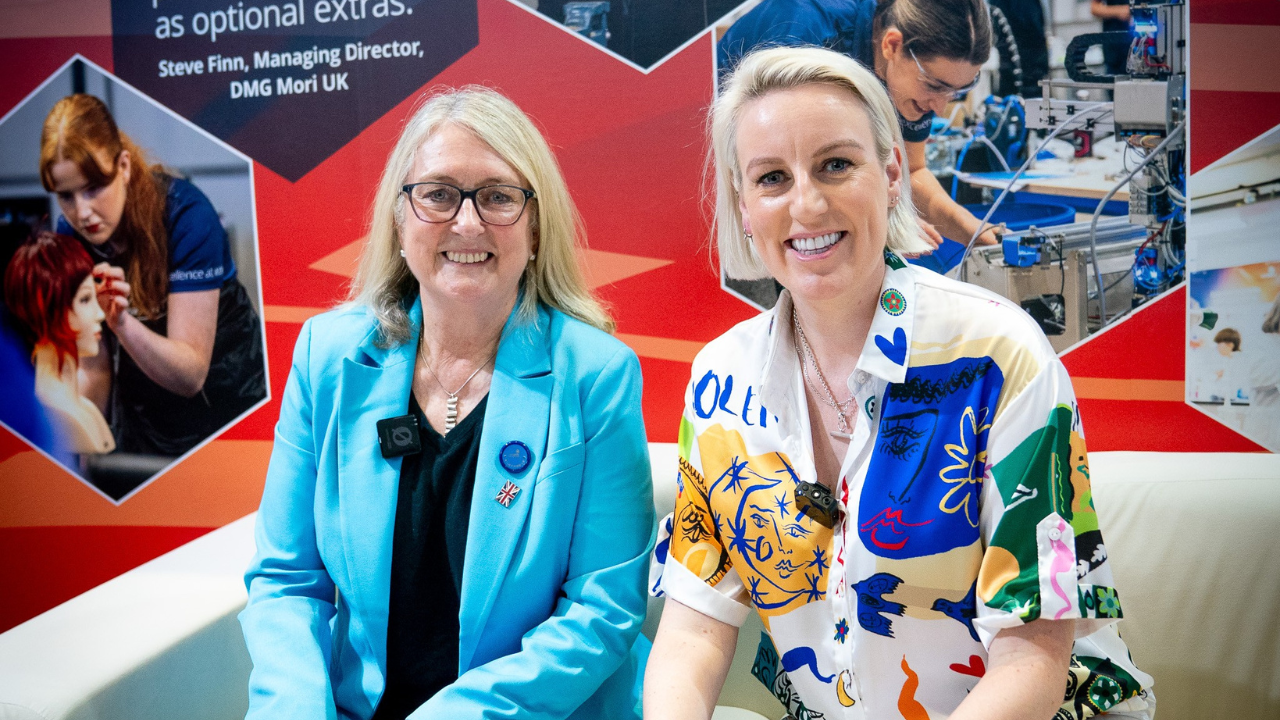
Steph McGovern and guest, UK Skills Minister Jacqui Smith, took part in a special recording at the event in Shanghai, where they talked about WorldSkills 2026, and how the government is working to improve vocational opportunities for the next generation.
Raising the profile of WorldSkills at home
Steph McGovern and guest “cheerleader” in Shanghai, Jacqui Smith, agreed that the key to elevating UK prospects at this seriously impressive event was to “keep banging on about it” in the media and wider industry, and continue showing support for the entrants who worked hard in a bid to grace the global stage at WorldSkills Shanghai.
A strategic approach to shaping careers pathways at 14
Prime Minister Andy Burnham has spoken of the government’s aim to celebrate the hard hat and the graduation cap in equal measure – starting with their goal to have every school offering technical pathways into work.
It means more choice for pupils from the age of 14, and working with mayors and strategic authorities to sharpen the skills offering and uplift the prospects of the regional workforce.
The ambition isn’t to have pupils uprooting their whole social lives and potential careers by leaving school to pursue technical education elsewhere. It’s about ensuring they can explore their options without having to choose between academic and vocational learning.
How employers can play a part too
“[It] feels like that’s what’s missing – that connection with employers,” Steph says, as Jacqui Smith talks about this ambitious plan.
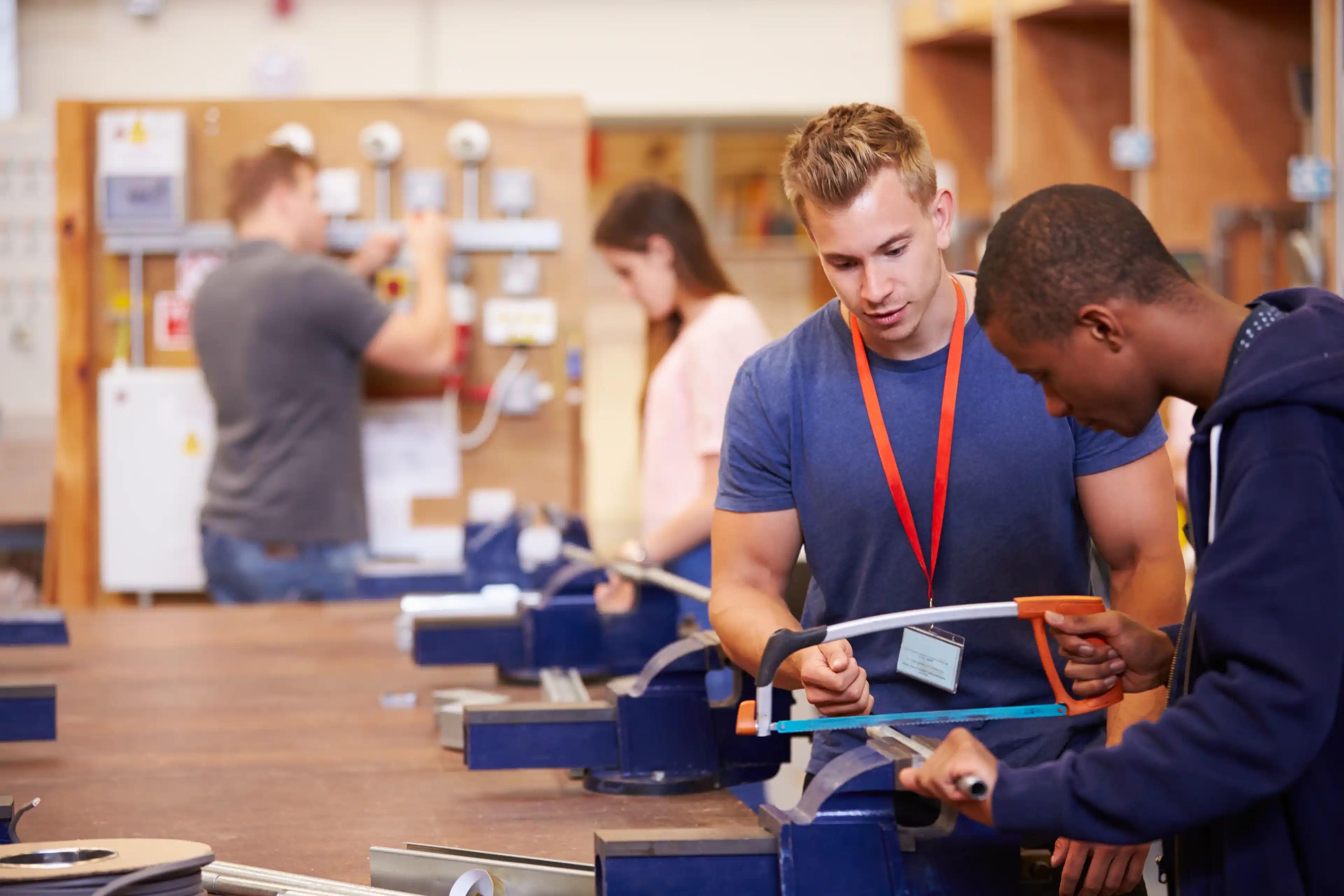
“The relationship with FE colleges will be really important” to the plan as well, according to the Skills Minister, as they can work closely with employers to help young people understand where technical and vocational routes can lead. Setting up and running meaningful work experiences can illustrate how these skills are applied in the workplace – similar in a way to what they’ve witnessed at WorldSkills Shanghai 2026.
Local employers can illustrate that these qualifications will be not only useful to them, but essential to help regional businesses succeed – and on that regional level is where local authorities and mayors can offer support too.
This collaboration represents a win-win – for the businesses who can take on talent to tackle the skills gaps holding back their growth, and for the young people given more effective signposting into a new career.
Apprenticeship Levy reforms
The conversation also touches on the ‘pivot to young people’, which will give employers incentives to take on apprentices who are just starting out on the road to a new qualification at school-age.
Other changes to the Apprenticeship Levy include training on shorter courses to help upskill employees and learners in specialist areas such as green technology, and AI.
If you haven’t tuned in yet, Steph on Skills: Powered by Enginuity is our podcast bringing you insightful conversations on the future of work with industry leaders.
Watch or listen to the latest episode, and see our previous episodes:
Find out moreMore news