Get the most out of apprenticeships
Discover how apprenticeships can support your business, from recruiting talent to developing a skilled workforce. This guide explains how apprenticeships work, outlines key differences across England, Scotland, Wales, and Northern Ireland; and offers signposts for further support and guidance.

What are apprenticeships?
Apprenticeships are paid jobs that combine practical on-the-job experience with structured training delivered by a further education college or training provider
Apprentices work towards a nationally recognised qualification or occupational standard while developing the skills, knowledge, and behaviours required for their role.
Unlike purely academic routes, apprentices earn a salary while they learn. This blended approach ensures individuals gain real workplace experience alongside formal training, making apprenticeships a highly effective route into skilled employment.
For employers, apprenticeships provide a sustainable way to build talent pipelines and develop skills aligned to business needs.

What are the benefits of apprenticeships for employers?
Investing in apprenticeships can help businesses build a skilled, diverse and future ready workforce
Key benefits include:
- Developing skills tailored to your organisation
- Supporting knowledge sharing from experienced employees
- Introducing new perspectives, ideas and innovation
- Increasing productivity and efficiency
- Strengthening your reputation as an employer
- Supporting workforce diversity and inclusion
- Improving employee engagement, loyalty, and retention

Are there different apprenticeship levels?
Choosing the right level will depend on your business needs and the skills requirement for the role
Apprenticeships are available at a range of levels, depending on the nation and programme structure.
- England: Levels 2-7 (including Foundation Apprenticeships at Level 2)
- Wales: Levels 2-6
- Northern Ireland: Levels 2-3 (ApprenticeshipsNI) and Levels 4-7 (Higher Level Apprenticeships)
- Scotland: Typically SCQF Levels 5-11 (Including Graduate Apprenticeships at higher levels).

What’s the difference between Level 3 apprenticeships and T Levels in England?
Both Level 3 apprenticeships and T Levels are post-GCSE options available in England, but they offer different routes into work and further study.
T Levels are primarily classroom-based technical qualifications that include industry placements, and are broadly equivalent to three A Levels.
Apprenticeships are employer-based programmes. Once hired by an employer, apprentices spend most of their time in the workplace alongside structured training.
While both routes can lead to progression into employment or further study, apprenticeships are more directly aligned to specific occupations and job roles.

What should I do when I have to turn down an apprentice applicant?
Not every applicant will be the right fit for your organisation, but many will still have strong potential.
Providing constructive feedback and signposting candidates to other opportunities can help them continue their development and remain engaged in the sector. This supports the wider talent pipeline and reflects positively on your organisation.

Download our guide
Download our helpful guide to get a full overview of how apprenticeships are devolved across the UK, outlining the levels, regulators, funding, and structure specifics for the four nations.
Download our guide



Explore our FREE resources

Apprentice applicant rejection letter template
A customisable letter you can use to support applicants you’re unable to hire. Includes links to trusted platforms to help them continue their apprenticeship journey.
Download now
Career Pathways
Our Career Pathways infographics offer a clear overview of the qualifications and steps involved in building a career in engineering, helping employers make informed decisions about recruitment.
Read more
Women in STEM Apprenticeships Guide
Practical advice and insights for employers, to help women and girls overcome the barriers they face when accessing STEM apprenticeships.
Read more
Education Landscape Guide
A comprehensive resource that helps employers understand the education system and how to engage with schools, colleges, and universities to build a strong, skilled workforce.
Download now
Employer step-by-step guide: Be a modern apprentice for the day
Host a hands-on experience where pupils shadow a Modern Apprentice for a day, exploring career opportunities in industries traditionally lacking gender diversity.
Download now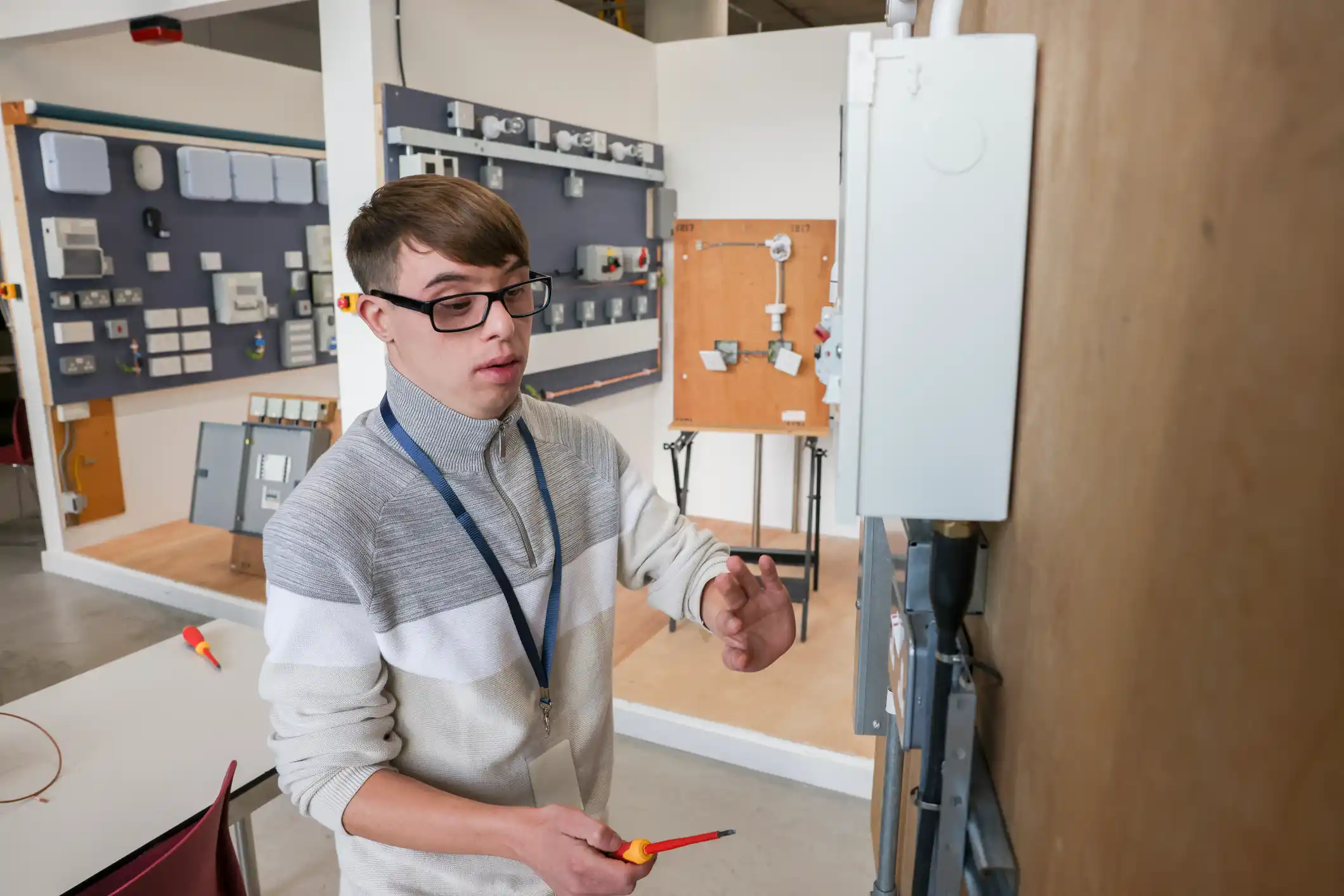
Impact of positive action initiatives
A presentation by Skills Development Scotland on strategies for improving diversity and inclusion in the engineering and manufacturing sector, highlighting the impact of positive action initiatives.
Download now
Apprenticeships Work guide for SMEs
Discover how your small business can get started with apprenticeships with this step-by-step guide by the Edge Foundation.
Read more